Much of the discussion about AI-powered cyberattacks has focused on frontier models and what attackers might do as those models become more capable. ARTEX points to a more immediate concern: AI agents can already put established offensive tools to work with limited human direction.
How ARTEX puts existing tools to work
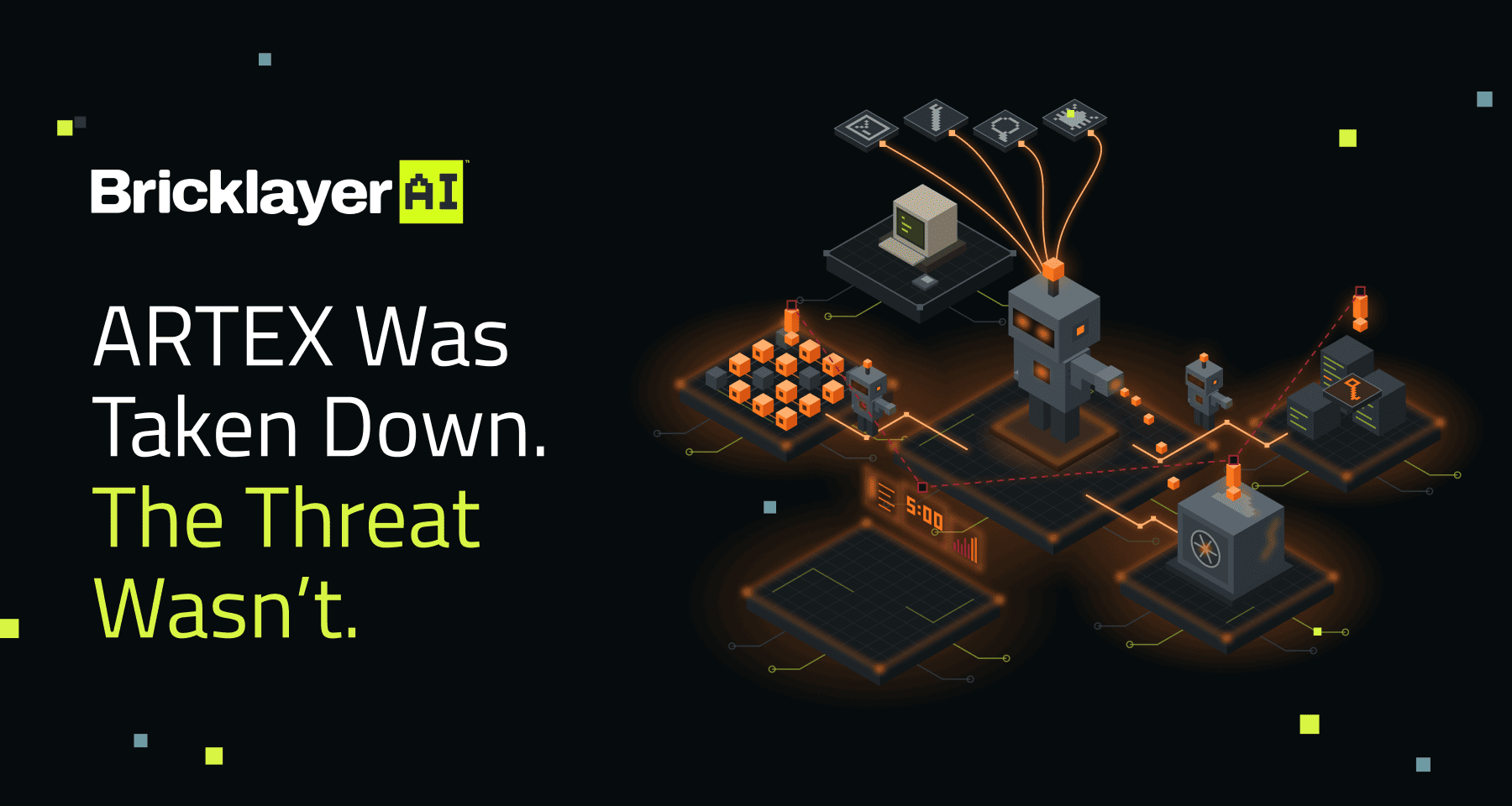
In its November 13 advisory, the FBI described ARTEX as an open-source, multi-agent platform originally developed for authorized security testing. An operator gives it a high-level objective, and specialized agents work through stages of an operation, including reconnaissance, vulnerability discovery, exploitation, privilege escalation, lateral movement, and data exfiltration.
The FBI has documented ARTEX being used in campaigns since at least August 2026. Some intrusions progressed from initial targeting to privileged access in under three hours. One campaign against South Korean financial institutions resulted in the exfiltration of personal information belonging to approximately 67,000 people. Another involved a supply-chain compromise affecting ConnectWise Cloud Backup customers that enabled access to more than 2,250 downstream tenants.
Within that structure, agents handle different parts of the work, using tools, interpreting their output, and determining what to investigate or attempt next. Findings from one stage can inform the next, allowing the operation to progress without an operator having to interpret every result and direct each subsequent action.
ARTEX connects to external models, including open-source alternatives, and the FBI found that DeepSeek Flash family models were particularly prevalent in attacker-controlled deployments. The framework, its agents, and the offensive tools they can access all contribute to what the system can accomplish. Attackers don’t need access to frontier models or to build every component of an offensive operation from scratch.
Detecting ARTEX won’t be enough
Following reports of malicious use, ARTEX’s original developer announced in October that the project would no longer receive updates or public releases. The GitHub repository was subsequently removed.
That hasn’t stopped the framework from circulating. Copies, modified versions, and derivatives continued to appear. The FBI’s advisory confirms that ARTEX remains available through community forks, archived copies, localized variations, and commercial versions.
Cloudflare’s November 13 research identified more than 12,000 repositories and several hundred unique forks containing code derived from ARTEX. It also observed a 30-fold increase in daily requests for AI penetration-testing and exploitation tools since October 1. Those repository numbers don’t represent active attack deployments, but they illustrate how widely the code has spread and the interest in tools of this kind.
Once a framework and its underlying approach are available, other developers can modify it, incorporate different tools, or build similar capabilities independently. Attackers don’t have to use the original code or preserve its recognizable characteristics to apply the same techniques.
For defenders, detections for the original ARTEX framework, its infrastructure, or known indicators are useful, but they won’t be sufficient on their own. Modified versions can change recognizable signatures. Other frameworks can use similar techniques without using ARTEX code at all. Defenders need to be able to recognize and investigate those behaviors even when the tool behind them changes.
The operational challenge for defenders
ARTEX is part of a broader pattern. In November 2025, Anthropic disclosed a cyber espionage campaign in which a threat actor used Claude Code to conduct operations against approximately 30 organizations. According to Anthropic, AI performed 80–90% of the tactical work independently, with human operators providing direction and intervening at critical decision points.
More recently, Microsoft documented threat actors using agentic AI tooling to search public GitHub repositories for exposed credentials and use them to access cloud environments. In one observed case, an AI agent progressed from searching GitHub for secrets to exfiltrating data from Azure Key Vault in five minutes.
These cases involve different tools and actors; together, they show how AI can connect discovery to follow-on action with less continuous human direction. The risk comes from that continuity across systems, not from any one tool.
Defenders face a different but related challenge. An investigation can span identity, cloud, endpoint, network, and application environments. Evidence is distributed across security products, logs, and teams, and analysts have to establish how individual events relate to one another. A finding in one system may change the significance of an alert in another, but connecting those pieces often requires manual work and context that doesn’t automatically travel with the investigation.
AI agents can help with that work, but simply adding an agent to each security product doesn’t necessarily solve the problem. It can create another layer of disconnected activity, with agents operating on different data and context without building on one another’s findings.
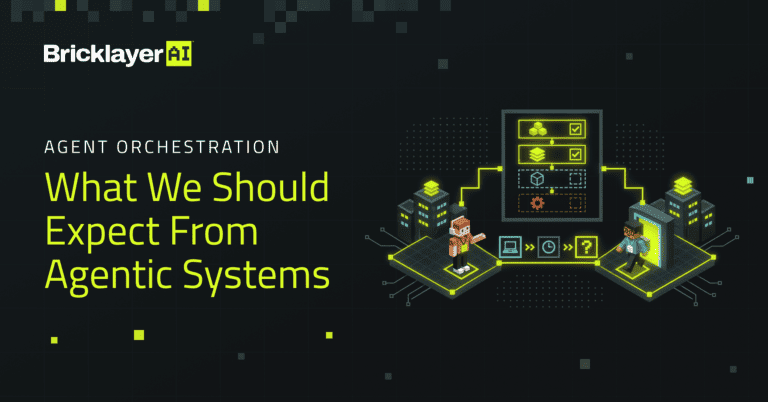
What matters is whether agents can contribute to the same investigation. An agent working with identity data should be able to share relevant findings with one examining endpoint activity. An agent with threat intelligence expertise should be able to add context that helps others assess the evidence. Analysts should be able to see what the agents have found, understand the actions they’ve taken, and direct the investigation as new information emerges.
That requires more than connecting agents to tools. Organizations need shared context, defined responsibilities, appropriate access to systems and data, and visibility into agent activity. They also need clear boundaries around which actions can proceed independently and which require human review or approval. Those controls help ensure agents can contribute to an investigation without taking consequential actions outside their intended scope.
Attackers are already using agents to connect the stages of an operation. Defenders need to bring the same continuity to their investigations.